Green jobs and entrepreneurship for youth in Mali (GoGreen)
Mali,
concluded
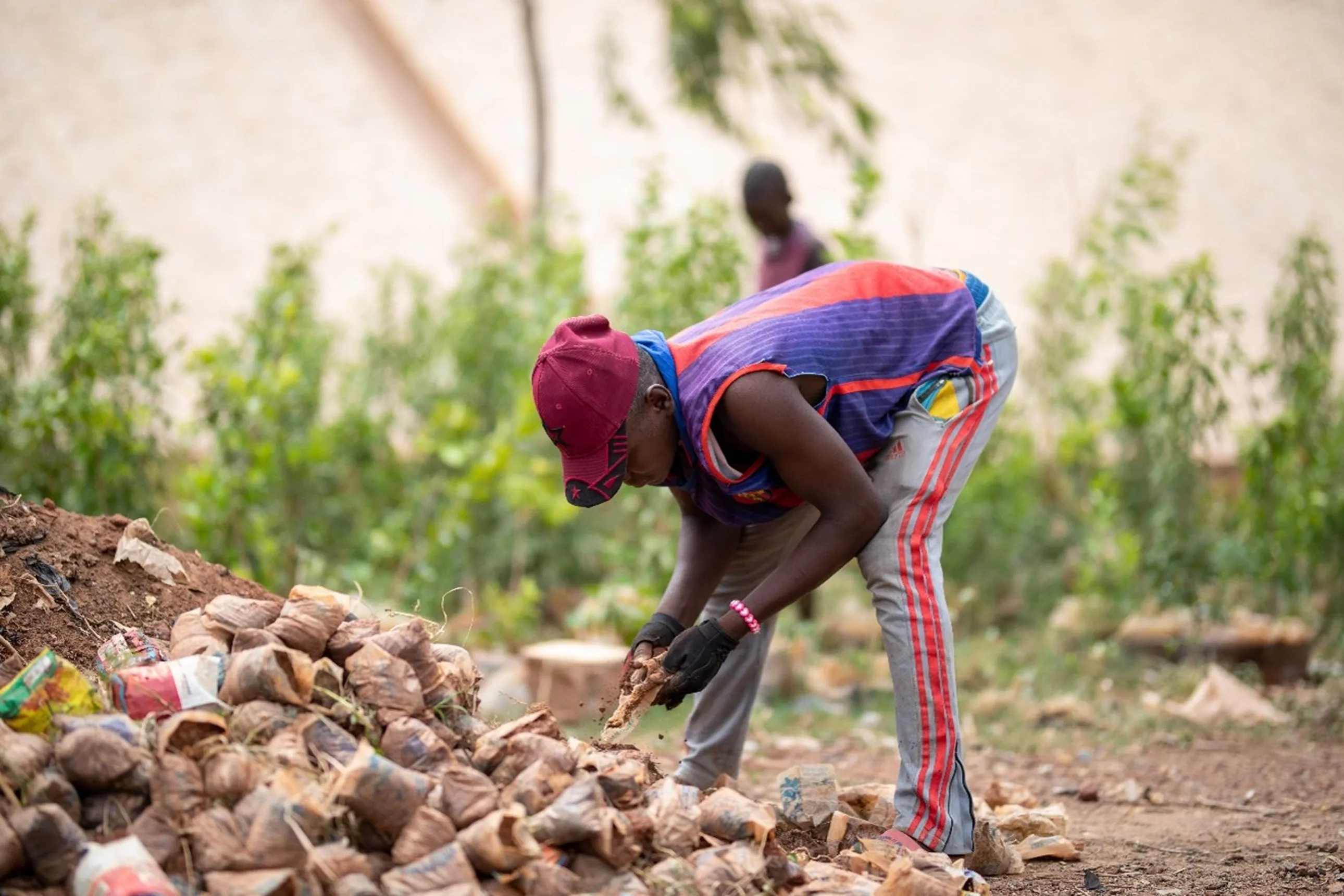
The project aims to increase income opportunities for young women and men by expanding access to decent and inclusive employment and entrepreneurship within Mali’s green economy.
Duration: 1 March 2023 – 30 June 2025 (28 months)
Budget: €4.9 million
Funder: Embassy of the Kingdom of the Netherlands in Mali
Geographic focus: Ségou, Sikasso, Mopti and the District of Bamako
Context and rationale
Mali faces a significant youth employment crisis, compounded by climate change, environmental degradation and socio-economic fragility. Young people—particularly young women, return migrants, internally displaced persons, and those not in education, employment or training (NEET)—face substantial barriers to securing stable livelihoods.
At the same time, Mali’s green transition remains underdeveloped. While sectors such as sustainable agriculture, renewable energy, water management and forestry offer strong potential for job creation, they require strengthened training systems, enterprise support mechanisms and enabling policy frameworks.
Without targeted investment, young people risk exclusion from emerging green value chains. Climate adaptation efforts also risk overlooking one of the country’s most critical demographic groups.
Skills development and training systems
GoGreen aimed to increase income opportunities for young women and men by expanding access to decent and inclusive employment and entrepreneurship within Mali’s green economy. The project focused on high-potential sectors including agri-food systems, renewable energy, water, sanitation and forestry.
To improve employability, GoGreen strengthened green skills development systems across participating regions.
28 complementary and transversal green modules were integrated into vocational training centre curricula.
17 trainers were trained in the competency-based approach.
60% of institutions were prepared to adopt these modules from 2025.
However, 35% of training centres continued to require additional equipment and infrastructure at project close, highlighting the need for sustained investment to ensure practical and market-oriented training.
Expanding opportunities
In 2024, GoGreen contributed to the creation of 1,437 jobs.
75% were generated by MSMEs and youth entrepreneurs supported by the project.
18% corresponded to self-employment.
Employment quality remained an area for further strengthening:
19% met International Labour Organization (ILO) decent work criteria.
38% were partially decent.
43% did not yet meet decent work standards.
These results underscored the importance of continued enterprise structuring and improvements in working conditions to enhance sustainability.
Entrepreneurship development
Entrepreneurship was a central pillar of GoGreen.
414 Greenpreneurs (44% women) received incubation support to develop viable green businesses.
150 MSMEs and start-ups accessed seed or consolidation financing through the Green Challenge Fund.
92 green or transitioning MSMEs (40% women-led) received acceleration support.
40 enterprises accessed bank credit through an innovative risk-sharing mechanism established with BSIC.
These interventions strengthened business viability, financial inclusion and the scaling potential of green enterprises.
Environmental and social impact integration
The project introduced an environmental and social impact measurement tool to strengthen climate and gender integration within supported enterprises.
All Green Youth Board members were trained.
86% of accelerated MSMEs adopted the tool.
25% of Greenpreneurs integrated impact measurement into their business strategies.
This enabled enterprises to better assess environmental performance and integrate climate and gender considerations into decision-making processes.
Youth participation and governance
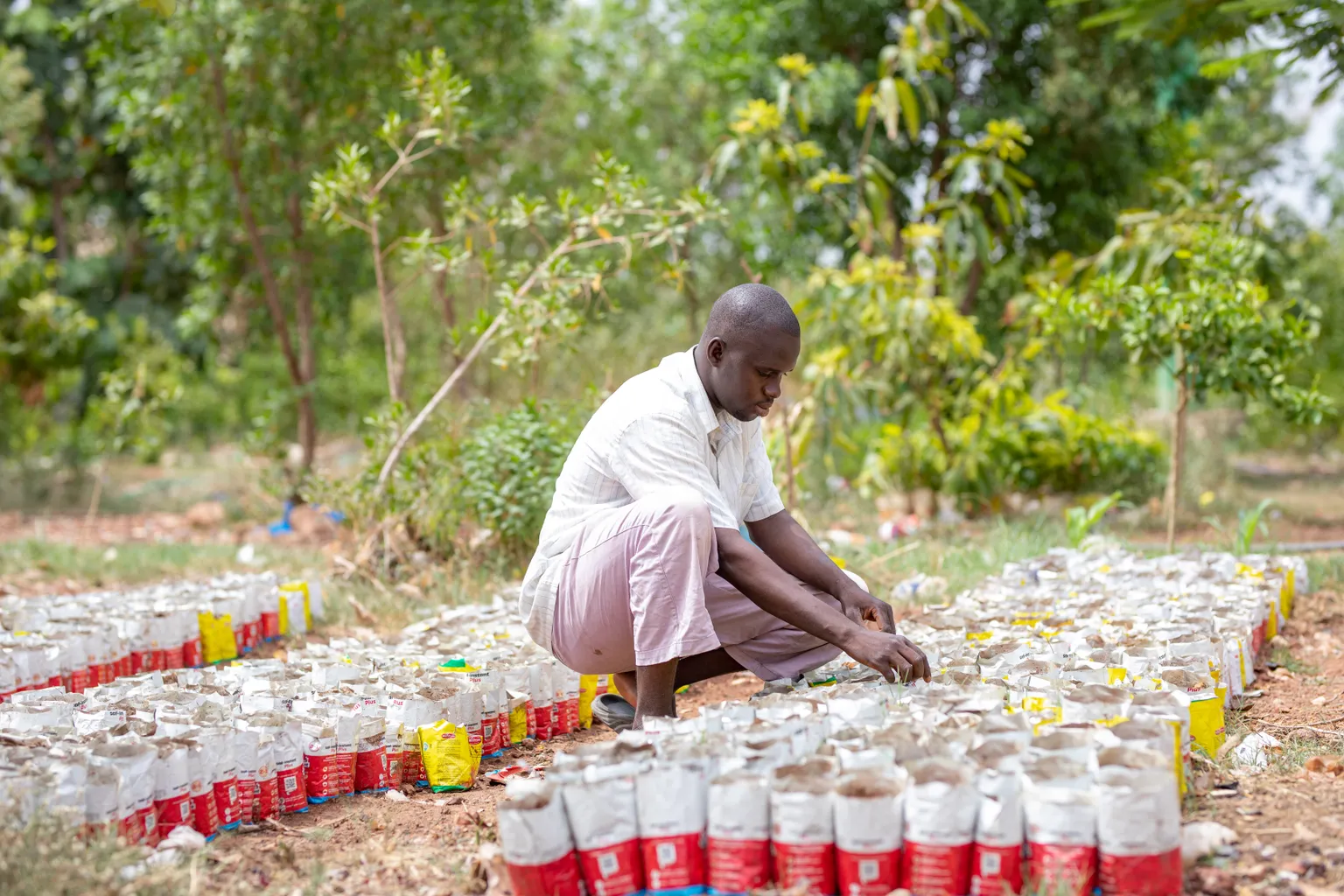
The Green Youth Board (GYB), composed of 20 members (35% women), played an active advocacy role. In 2024, the Board sensitised 3,013 young people and local stakeholders on green economy and climate issues. Its advocacy contributed to municipal commitments to allocate land and dedicated spaces for young green entrepreneurs, particularly in sustainable forestry.
Adaptive implementation
Despite operational constraints, including linguistic and administrative barriers, GoGreen adapted its implementation approach. Local-language information sessions improved accessibility. The integration of Green Coaches within APEJ strengthened follow-up systems and ensured more locally anchored support.